The Evolution of the Audio Cassette
1.1 The Inception of the Audio Cassette
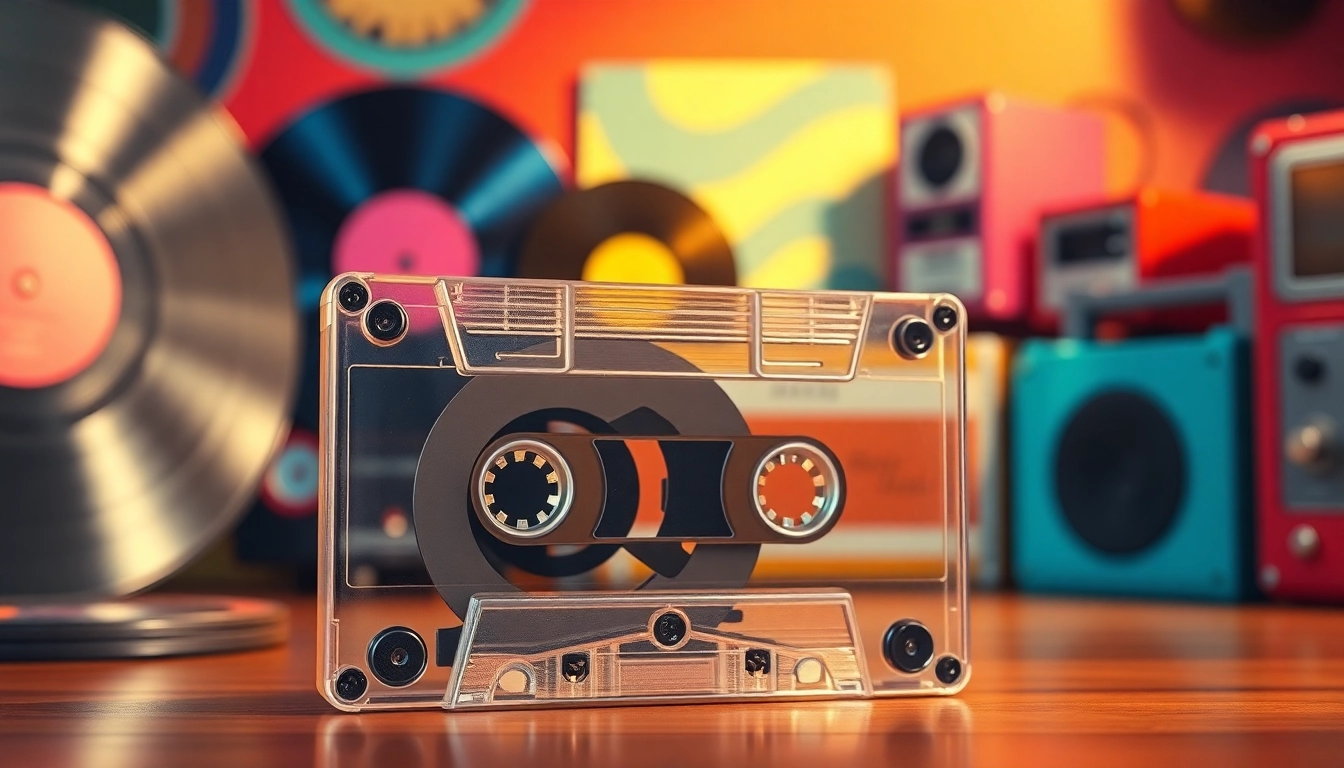
The audio cassette, also known as compact cassette, emerged in 1963 as an innovative solution to recording and playing back audio in a more accessible format. The Compact Cassette was created by the Dutch company Philips, aiming to revolutionize the way people listened to music. Developed initially for dictation purposes, it soon found its place in the hearts of music lovers. The compact cassette format featured two reels of magnetic tape enclosed in a plastic shell, allowing for easier portability compared to its predecessor, the reel-to-reel tape systems.
As technology progressed, the audio cassette saw various enhancements over the decades, such as improved tape formulations and player designs, making it a staple in home stereo systems and boomboxes alike. The introduction of the audio cassette opened doors for music enthusiasts to record their own mixes or enjoy pre-recorded albums effortlessly.
1.2 Impact on Music Consumption
The rise of the audio cassette significantly transformed how people consumed music. For the first time, music was no longer confined to vinyl records. With the ability to create mixtapes, fans could curate their own music experiences, bridging the gap between artist and listener. Home recording made it possible for individuals to preserve personal memories and share their favorite tracks with friends and family.
The expressive nature of cassette tapes also fostered the growth of underground music cultures, as independent artists and labels utilized cassettes as an affordable medium for distribution. As the cassette player became a must-have portable device, this revolution allowed music to accompany people in their daily lives, from commuting to workout sessions.
1.3 Transition from Analog to Digital
The transition from analog tapes to digital formats marked a pivotal change in the way music was produced, distributed, and consumed. While the audio cassette thrived during the 1970s and 1980s, the invention of compact discs (CDs) in the early 1980s presented a formidable challenge. CDs offered better sound quality and durability, enticing many listeners to switch. However, the warmth of analog sound and the tactile presence of cassettes ensured their survival for a considerable time.
As the digital revolution accelerated with the advent of MP3 players and streaming services, the audio cassette grappled with declining sales. Despite this, the cassette has experienced a resurgence in recent years as vintage aesthetics have captivated younger generations, leading to a renewed appreciation for the tactile experience and unique sound quality that only an audio cassette can provide.
How the Audio Cassette Works
2.1 Mechanics Behind the Audio Cassette
An audio cassette operates on a relatively simple mechanism, dependent on magnetic tape technology. Inside the cassette, there are two reels: one that holds the recording tape and another that collects the used tape as it plays. The sound is recorded onto the magnetizable tape by altering the magnetic properties of the material, which in turn captures the audio signal through electromagnetic induction.
The cassette player utilizes a set of miniature heads known as read/write heads. When a cassette is inserted, the player engages the motors and takes up the tape, aligning it against these heads. The read head transmits the audio signal to an amplifier, which converts the signal back into sound waves that you can hear through speakers or headphones.
2.2 Types of Audio Cassettes
There are several types of audio cassettes widely recognized, categorized mainly by their bias types and recording capabilities. These include:
- Type I (Normal Bias): The standard audio cassette, best suited for general-purpose recording.
- Type II (High Bias): Designed to offer superior sound quality by using a different tape formulation, ideal for music recording.
- Type III (Metal): A less common type that offers even greater performance, but its pricing limits its widespread use.
- Type IV (CrO2): A specialized tape that provides excellent fidelity and is also known as chrome tape, suitable for professional applications.
2.3 Recording and Playback Processes
Recording on an audio cassette involves a method called magnetic recording. When a signal is sent to the cassette's recording head, it magnetizes the tape as it moves past it, encoding the sound onto the magnetic surface. Playback works in the reverse manner: as the tape moves past the playback head, it induces a small electrical current that reproduces the sound waves originally recorded.
While creating a mixtape was seen as a thoughtful personal gesture in the past, modern music recording often involves superior technology. Nevertheless, the nostalgia of creating your own cassette remains cherished by many enthusiasts, inspiring new generations to connect with this vintage format.
Collecting Audio Cassettes
3.1 Building a Cassette Collection
Building an audio cassette collection can be a rewarding endeavor. Whether you're looking to curate a collection of your favorite artists or explore rare releases, here are a few steps to get started:
- Set a Budget: Determine how much you’re willing to invest in your collection. Prices can fluctuate depending on the condition and rarity of tapes.
- Research and Identify: Look into different genres, labels, and artists. Popular genres include punk, new wave, rock, and hip-hop.
- Visit Thrift Stores and Flea Markets: Scour local stores for hidden gems. You’d be surprised what you may find!
- Online Marketplaces: Websites dedicated to retro music formats offer vast selections for collectors. Regularly check for auctions or sales of rare items.
3.2 Essential Cassettes for Audiophiles
Audiophiles often seek specific titles that showcase the dynamic range and warmth of sound characteristic of cassettes. Some essential tapes to look for include:
- Classic albums from renowned artists across eras.
- Rare releases from lesser-known bands that have gained a cult following.
- Live recordings, which offe r a raw, authentic experience.
Many consider collecting albums with unique cover art or limited editions a worthy pursuit, as these items tend to appreciate in value over time.
3.3 Caring for Your Audio Cassette Collection
Caring for your audio cassette collection is crucial to preserving sound quality and longevity. Here are some tips for maintaining your tapes:
- Store Properly: Keep cassettes in a cool, dry place, away from direct sunlight and heat sources.
- Inspect Regularly: Check for any damage or wear, particularly on the tape itself, and handle them carefully.
- Avoid Tangle and Tape Damage: Always rewind and fast-forward cassettes periodically to prevent tape binding or damage.
Modern Usage of the Audio Cassette
4.1 Audio Cassette in Contemporary Music Scenes
Though digital formats dominate today’s music consumption, the audio cassette has carved a niche within contemporary music scenes. Many independent artists and labels embrace cassettes for their low production cost and tactile appeal. This format allows for artistic expressions through unique artwork, creative packaging, and hand-crafted elements. In genres such as lo-fi, experimental, and underground music, audio cassettes remain a celebrated medium.
4.2 Cassette Culture: Festivals and Events
Cassette culture has cultivated a sense of kinship among enthusiasts, spawning events dedicated to the format. Music festivals that celebrate cassette culture often feature local indie bands, showcases for up-and-coming artists, and opportunities for collectors to swap or purchase tapes. These gatherings serve as a platform for musicians who create audio cassettes and share their passion with a dedicated audience.
4.3 DIY and Art Projects Featuring Audio Cassettes
DIY projects involving audio cassettes have gained popularity, inspiring creative art installations and crafts. Artists utilize cassette tapes to create unique sculptures, wall hangings, and jewelry, funneling the nostalgic vibe of vintage technology into modern expressions. Workshops that teach participants how to repurpose cassettes into art or functional items provide an engaging way to celebrate this format's charm.
The Future of the Audio Cassette
5.1 Resurgence in Popularity
The resurgence of the audio cassette speaks volumes about the cyclical nature of trends. As digital consumption became ubiquitous, people began to crave the distinct characteristics that come with analog formats. The tactile experience of handling a cassette, combined with the nostalgic value it brings, has led to a revival among music enthusiasts. Many even find joy in rediscovering the rite of creating mixtapes, bringing back the traditions of crafting listening experiences for loved ones.
5.2 Innovations in Cassette Technology
Even as interest in audio cassettes grows, innovations within cassette technology continue to emerge. Advances in tape production, like improved sound quality and durability, allow new tapes to outperform older models. Additionally, cassette players now blend retro aesthetics with modern features such as Bluetooth connectivity, making them appealing to tech-savvy music lovers.
5.3 Audio Cassette vs. Digital Formats
The debate between the audio cassette and digital formats endures as enthusiasts weigh qualities such as sound fidelity, convenience, and collectibility. While digital formats offer instant access and portability, the warmth and character of the audio cassette resonate deeply with collectors and audiophiles alike. Ultimately, each format serves its purpose, and many music lovers now choose to embrace both, finding a balance between digital ease and analog charm.