
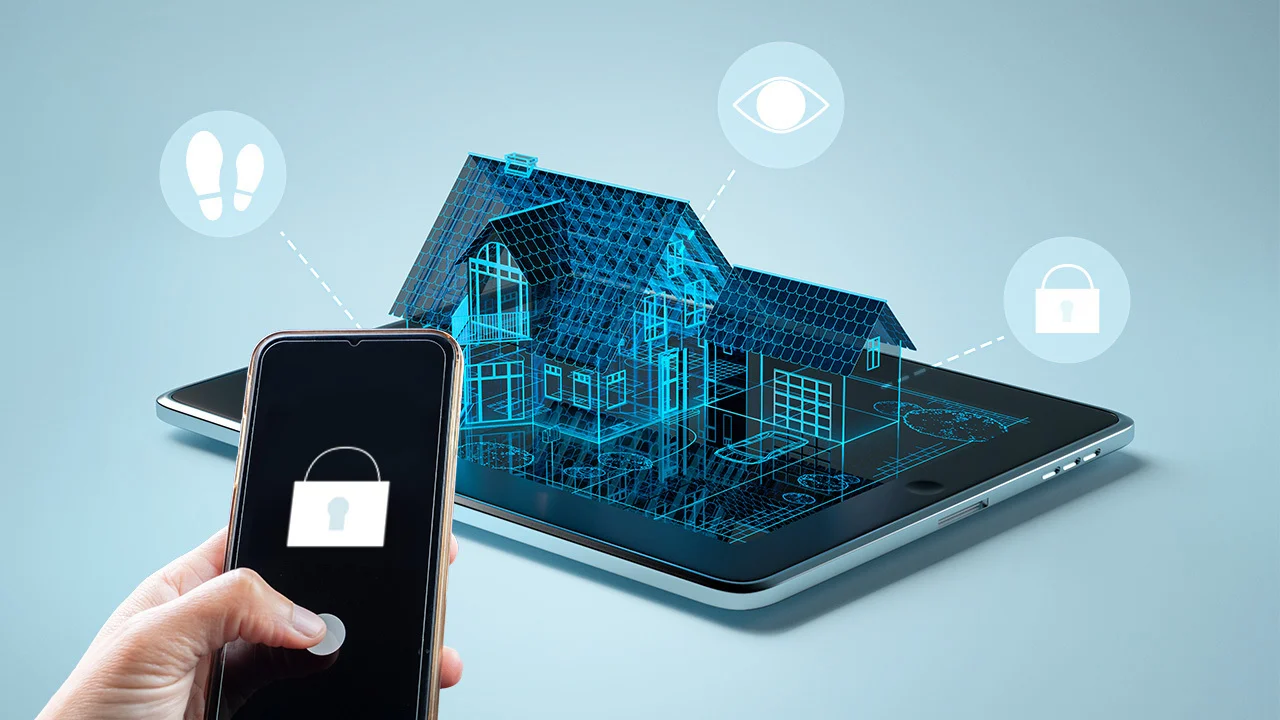
As technology, urban lifestyles, and digital connectivity continue to evolve, home security is entering a new era defined by intelligence, integration, and adaptability. In 2026, homeowners are no longer relying solely on traditional alarms and locks. Instead, Home Security is becoming a sophisticated ecosystem that blends smart technology, data-driven insights, and proactive protection strategies. Understanding upcoming trends is essential for homeowners who want to stay ahead of emerging risks while maximizing safety, convenience, and long-term value. This in-depth guide explores the most important home security trends to watch in 2026 and how they are reshaping residential protection.
The Evolution of Home Security in a Connected World
Home security has undergone a dramatic transformation over the past decade. What was once a reactive system designed to respond after an incident is now increasingly predictive and preventative.
From Standalone Systems to Integrated Ecosystems
Modern home security is no longer confined to a single alarm panel or camera. In 2026, systems are designed as interconnected ecosystems where locks, cameras, sensors, lighting, and smart devices communicate seamlessly. This integration allows homeowners to manage all aspects of home security from unified platforms, improving responsiveness and reducing vulnerabilities.
The Shift Toward Preventative Security
One of the most significant trends in home security is the shift from reaction to prevention. Advanced analytics, artificial intelligence, and behavioral monitoring are enabling systems to identify unusual patterns before incidents occur. This proactive approach represents a fundamental change in how home security protects households.
Artificial Intelligence as the Backbone of Home Security
Artificial intelligence is rapidly becoming the core driver of innovation in home security.
Smarter Threat Detection and Recognition
AI-powered home security systems can distinguish between normal activity and potential threats with increasing accuracy. In 2026, systems are expected to identify people, animals, vehicles, and objects more reliably, reducing false alarms while enhancing real-time threat detection.
Learning Household Behavior Patterns
AI-enabled home security platforms learn daily routines, recognizing when activity deviates from established patterns. This capability allows systems to trigger alerts for unusual behavior, such as unexpected entry times or prolonged inactivity, significantly improving overall protection.
Advanced Video Surveillance Trends
Video surveillance remains a cornerstone of home security, but its capabilities are expanding rapidly.
High-Resolution and Low-Light Performance
In 2026, high-definition and ultra-high-definition cameras are becoming standard. Improved low-light and night-vision technology ensures clear visibility in all conditions, strengthening home security regardless of time or environment.
Intelligent Video Analytics
Video feeds are no longer passive recordings. Intelligent analytics allow home security systems to analyze footage in real time, identifying suspicious movements, loitering behavior, or unauthorized access attempts. These insights enable faster and more informed responses.
Biometric Authentication in Residential Security
Biometric technology is moving beyond smartphones and into residential environments.
Facial Recognition and Identity Verification
Facial recognition is emerging as a key home security trend in 2026. Systems can identify authorized individuals and differentiate them from strangers, allowing seamless access for residents while alerting homeowners to unknown visitors.
Fingerprint and Voice-Based Access Control
Biometric locks using fingerprints or voice recognition provide enhanced security and convenience. These technologies eliminate risks associated with lost keys or compromised codes, making biometric authentication a powerful addition to modern home security.
Smart Locks and Access Management Innovations
Access control is evolving rapidly as part of broader home security advancements.
Dynamic and Temporary Access Permissions
In 2026, smart locks are offering more granular control over access. Homeowners can issue time-limited or purpose-specific permissions for guests, service providers, or deliveries, ensuring security without sacrificing flexibility.
Integration With Home Automation Systems
Smart locks are increasingly integrated with lighting, alarms, and cameras. When a door is unlocked, other systems can respond automatically, such as disabling alarms or activating indoor lighting, enhancing both security and convenience.
Cloud-Based Home Security Platforms
Cloud technology is redefining how home security systems operate and scale.
Remote Monitoring and Control Anywhere
Cloud-based platforms allow homeowners to monitor their home security systems from anywhere in the world. Real-time access to video feeds, alerts, and controls ensures continuous awareness and peace of mind.
Secure Data Storage and Analytics
In 2026, cloud storage enables long-term retention of security footage and activity logs. Advanced analytics tools help homeowners review trends, identify recurring issues, and optimize their home security strategies over time.
Cybersecurity Becomes a Core Home Security Concern
As home security systems become more connected, cybersecurity is emerging as a critical priority.
Protecting Against Digital Intrusions
Smart home security devices are potential targets for cyber threats. In response, manufacturers are emphasizing encryption, secure authentication, and regular software updates to safeguard systems against unauthorized access.
Educating Homeowners on Digital Safety
Home security in 2026 includes educating users about strong passwords, network security, and safe device management. Cyber awareness is becoming an essential component of comprehensive residential protection.
The Rise of Self-Monitoring and Hybrid Security Models
Traditional monitoring models are evolving to meet diverse homeowner preferences.
Flexible Monitoring Options
Home security providers are offering hybrid models that combine professional monitoring with self-monitoring features. This flexibility allows homeowners to customize their level of involvement while maintaining reliable protection.
Cost-Effective Security Solutions
Self-monitoring options reduce long-term costs without compromising effectiveness. In 2026, this trend is making home security more accessible to a wider range of households.
Environmental Sensors and Expanded Protection
Home security is expanding beyond crime prevention to include environmental safety.
Smart Sensors for Fire, Gas, and Water Leaks
Integrated sensors detect smoke, carbon monoxide, gas leaks, and water damage. These capabilities transform home security systems into comprehensive safety solutions that protect both people and property.
Predictive Maintenance and Early Warnings
Advanced sensors provide early warnings for potential hazards, allowing homeowners to address issues before they escalate. This proactive approach enhances resilience and reduces long-term damage.
Sustainability and Energy Efficiency in Home Security
Sustainability is influencing design and functionality across industries, including home security.
Energy-Efficient Devices and Solar Integration
In 2026, more home security devices are designed for low power consumption or solar operation. These innovations reduce environmental impact while ensuring reliable performance during power outages.
Smart Energy Management Integration
Home security systems are integrating with energy management platforms to optimize lighting, heating, and device usage. This synergy supports sustainability goals without compromising protection.
Mobile-First Home Security Experiences
Mobile technology continues to shape how homeowners interact with security systems.
Enhanced Mobile Applications and User Interfaces
Modern home security apps prioritize intuitive design, real-time notifications, and customizable dashboards. In 2026, improved user experiences make system management more accessible and efficient.
Voice Control and Hands-Free Operation
Voice assistants are becoming integral to home security control. Hands-free commands allow homeowners to arm systems, check status, or receive updates seamlessly.
Neighborhood-Level Security Integration
Home security is increasingly extending beyond individual properties.
Community-Based Monitoring Networks
Some systems enable homeowners to share alerts or footage with trusted neighbors or community platforms. This collective approach enhances situational awareness and strengthens local security efforts.
Integration With Local Emergency Services
Advanced home security platforms can communicate directly with emergency services, providing accurate information during incidents and improving response times.
Customization and Personalization of Home Security
One-size-fits-all solutions are giving way to personalized security strategies.
Modular Systems Tailored to Individual Needs
In 2026, home security systems are designed to be modular and scalable. Homeowners can add or remove components based on changing needs, ensuring long-term adaptability.
Data-Driven Personalization
Analytics and user feedback allow systems to adapt settings automatically. Personalized alerts, sensitivity levels, and automation rules enhance both effectiveness and user satisfaction.
Privacy-Focused Home Security Innovations
As surveillance capabilities expand, privacy concerns are driving innovation.
Enhanced Privacy Controls and Transparency
Homeowners are gaining more control over data collection, storage, and sharing. Privacy-focused features ensure that home security does not compromise personal boundaries.
Ethical Use of Surveillance Technology
Manufacturers and users alike are emphasizing responsible use of surveillance tools. Clear policies and ethical considerations are becoming standard components of modern home security systems.
The Role of Professional Guidance and Expert Insights
Despite technological advancements, expert input remains valuable.
Professional Security Assessments
In 2026, professional assessments help homeowners navigate complex options and design effective home security strategies. Expert guidance ensures optimal system configuration and coverage.
Ongoing Education and Support
Education resources, tutorials, and support services empower homeowners to use their systems effectively. Knowledge is a critical factor in maximizing the benefits of home security investments.
Preparing Homes for Future Security Challenges
The future of home security requires adaptability and foresight.
Designing for Scalability and Upgrades
Homes equipped with flexible infrastructure are better positioned to adopt future innovations. Planning for scalability ensures that home security systems remain relevant as technology evolves.
Staying Informed About Emerging Risks
Awareness of new threats, from cyber risks to evolving crime patterns, enables proactive adjustments. Continuous learning is essential for maintaining robust home security.
Conclusion
Home security in 2026 is defined by intelligence, integration, and personalization. As artificial intelligence, cloud platforms, biometric authentication, and cybersecurity become central to residential protection, homeowners have more powerful tools than ever before. However, effective home security is not solely about technology. It requires informed decision-making, responsible use, and ongoing engagement. By understanding and embracing these emerging trends, homeowners can create safer, smarter, and more resilient living environments that meet the challenges of the future with confidence. All our latest blogs and resources are connected to our core platform.
FAQs
How will artificial intelligence change home security in 2026?
Artificial intelligence will significantly enhance home security by improving threat detection, reducing false alarms, and enabling systems to learn household behavior patterns. AI-driven insights allow for faster, more accurate responses and a more proactive approach to protection.
Are smart home security systems safe from cyber threats?
Smart home security systems are becoming more secure through encryption, regular updates, and improved authentication methods. However, homeowners must also practice good digital hygiene, such as using strong passwords and securing home networks, to minimize cyber risks.
Is investing in new home security technology worth it in 2026?
Investing in modern home security technology is worthwhile for most homeowners. Advanced systems offer improved protection, convenience, and long-term value, while also adapting to changing risks and lifestyles. The key is choosing solutions that align with specific needs and priorities.