Understanding Construction Site Safety
Construction site safety is paramount in every project, ensuring the well-being of workers and minimizing risks associated with the construction environment. Implementing rigorous safety measures not only protects individuals but also promotes efficiency and productivity. By adopting comprehensive safety protocols, construction firms can significantly reduce incidents and create a safer workplace. This article delves into the various aspects of construction site safety, exploring its importance, regulations, common hazards, best practices, and innovative solutions in the field.
Importance of Construction Site Safety
The significance of construction site safety cannot be overstated. According to industry studies, a significant amount of workplace accidents occur within construction environments, leading to injuries and fatalities. Prioritizing safety leads to improved morale among workers, reduced liability for employers, and compliance with legal standards. Additionally, a safety-conscious company tends to attract top talent, as skilled workers often prefer to work where they feel secure.
Key Regulations and Standards
Various regulations govern construction site safety, guided primarily by organizations such as the Occupational Safety and Health Administration (OSHA) in the United States. OSHA outlines crucial safety standards that must be adhered to, often mandating protective measures for specific tasks and environments. Understanding these regulations is vital for the construction industry to mitigate risks and maintain compliance. To ensure the highest standards of construction site safety, managers must stay informed about relevant local and national regulations.
Common Hazards in Construction
Identifying and managing hazards is essential to maintain safety on construction sites. Common hazards include:
- Falls: The leading cause of fatalities in construction, often necessitating the use of safety harnesses and guardrails.
- Electrical hazards: Risks associated with live wires and faulty equipment, warranting stringent electrical safety measures.
- Struck-by incidents: Workers can be injured by falling tools, machinery, or materials, highlighting the need for careful material handling.
- Caught-in/between hazards: Workers can become trapped in machinery or construction elements, necessitating awareness and proper machinery use.
Best Practices for Construction Site Safety
Implementing Safety Protocols
Implementing comprehensive safety protocols is crucial for reducing incidents on construction sites. A proactive approach entails developing a written safety program that outlines the procedures for emergency response, reporting accidents, and managing hazardous materials. Regular safety meetings should be conducted to reinforce these protocols and to discuss potential issues that workers might encounter. Construction site safety is a collective responsibility that requires ongoing commitment from all team members.
Training and Education Programs
Regular training and education programs are essential for equipping workers with the knowledge and skills necessary for managing safety risks. New employees should undergo orientation that covers general safety guidelines, while seasoned workers should participate in continual education to stay updated on best practices. An effective training program includes hands-on demonstrations, safety drills, and assessments to ensure understanding.
Personal Protective Equipment (PPE)
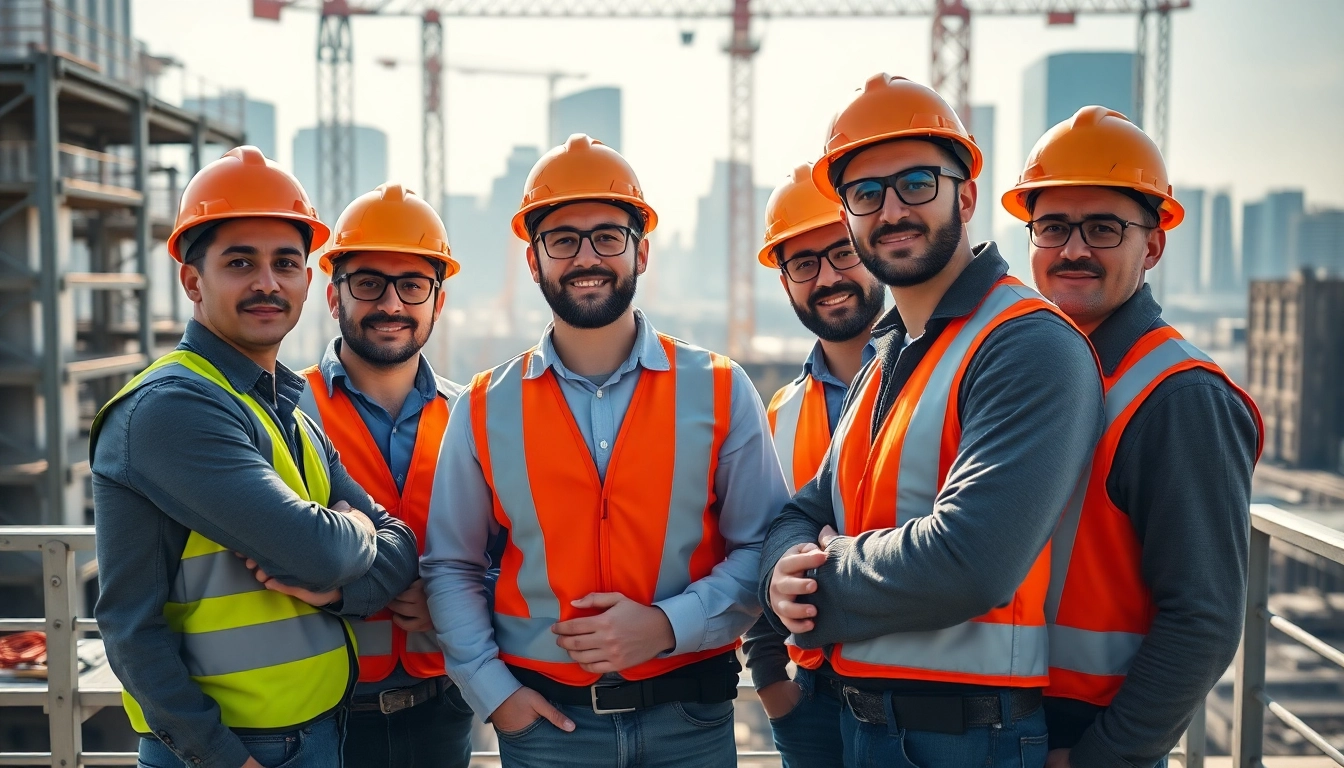
The use of Personal Protective Equipment (PPE) is a critical aspect of sustaining construction site safety. Essential PPE such as hard hats, gloves, goggles, and safety footwear should be provided and mandated for all workers. Regular inspections of PPE for damage or wear are paramount to ensure they provide adequate protection. Further, educating workers on the proper usage of PPE can significantly reduce the likelihood of injuries.
Innovative Solutions for Safety on Construction Sites
Technology in Safety Management
Advancements in technology have provided innovative solutions for enhancing construction site safety. Safety management software allows for tracking of incidents, hazard assessments, and compliance reporting. Technologies such as augmented reality can simulate dangerous situations, enabling workers to train in a safer environment before encountering real-life risks.
Using Drones for Safety Monitoring
Drones have emerged as a revolutionary tool for monitoring construction sites. They can efficiently inspect hard-to-reach areas, conduct aerial surveys, and identify potential hazards from above, reducing the need for dangerous climbs. Their ability to provide real-time data allows for immediate decision-making, further enhancing safety protocols.
Virtual Reality for Training
Virtual reality (VR) is transforming training methodologies in various industries, including construction. VR can replicate hazardous conditions that workers may face on-site without exposing them to real dangers. By honing their skills in a virtual environment, workers can become better prepared for on-site situations, leading to fewer accidents and enhanced safety practices.
Case Studies in Construction Site Safety
Successful Safety Programs
Numerous construction companies have established exemplary safety programs that yield positive results. For instance, a large construction firm implemented a behavior-based safety initiative that emphasized accountability and encouraged workers to actively report unsafe practices. This initiative led to a significant reduction in incident rates and fostered a culture of safety among all employees.
Lessons Learned from Incidents
Learning from past incidents is critical for improving construction site safety. Analyzing accidents to understand what went wrong provides valuable insights that can prevent future occurrences. For example, a construction site that experienced a serious fall incident re-evaluated its safety protocols and introduced more comprehensive fall protection strategies. This proactive approach not only mitigated risks but also highlighted the importance of continuous improvement.
Influential Safety Leaders
Key figures in the construction industry have played a significant role in advocating for improved safety standards. Their efforts have not only influenced company policies but also spurred legislative changes that impact the entire industry. Collaboration and mentorship fostered by these leaders encourage upcoming professionals to perpetuate safety as a core value in construction.
Measuring and Improving Construction Site Safety
Key Performance Indicators (KPIs)
Measuring safety performance through Key Performance Indicators (KPIs) is essential for tracking progress and identifying areas for improvement. Common KPIs include the number of lost-time injuries, near-miss incidents, and safety audit results. By analyzing these metrics, construction managers can develop targeted strategies to enhance safety measures continuously.
Conducting Safety Audits
Regular safety audits serve as a vital tool in maintaining compliance and reinforcing safety standards. Audits help identify gaps in existing safety procedures and provide insight into necessary improvements. To be effective, audits should be conducted by trained personnel and encompass all aspects of safety, from inspections of PPE to assessments of ongoing training programs.
Continuous Improvement Strategies
Construction site safety is not a one-time initiative but a continuous process that requires regular review and adaptation. Establishing a feedback loop where employees can voice their concerns and suggestions can drive meaningful changes. Furthermore, management's commitment to fostering a safety-first culture will inspire workers to prioritize safety in their daily operations, leading to sustainable improvements over time.
Frequently Asked Questions
What is construction site safety?
Construction site safety refers to practices and protocols aimed at preventing accidents and injuries on construction sites, ensuring the well-being of workers and compliance with regulations.
Why is training important for safety?
Training equips workers with essential knowledge about hazards and safe practices, reducing risk and fostering a culture of safety in the workplace.
What PPE is essential on construction sites?
Essential PPE includes hard hats, gloves, protective eyewear, hearing protection, and steel-toed boots, which protect workers from various hazards present on-site.
How can technology improve safety?
Technology, such as drones and safety management software, enhances safety by improving monitoring capabilities and streamlining communication regarding safety protocols.
What should a safety audit include?
A safety audit should encompass inspections of PPE, training programs, hazard assessments, and compliance with safety regulations to ensure a comprehensive evaluation of safety practices.